Introduction
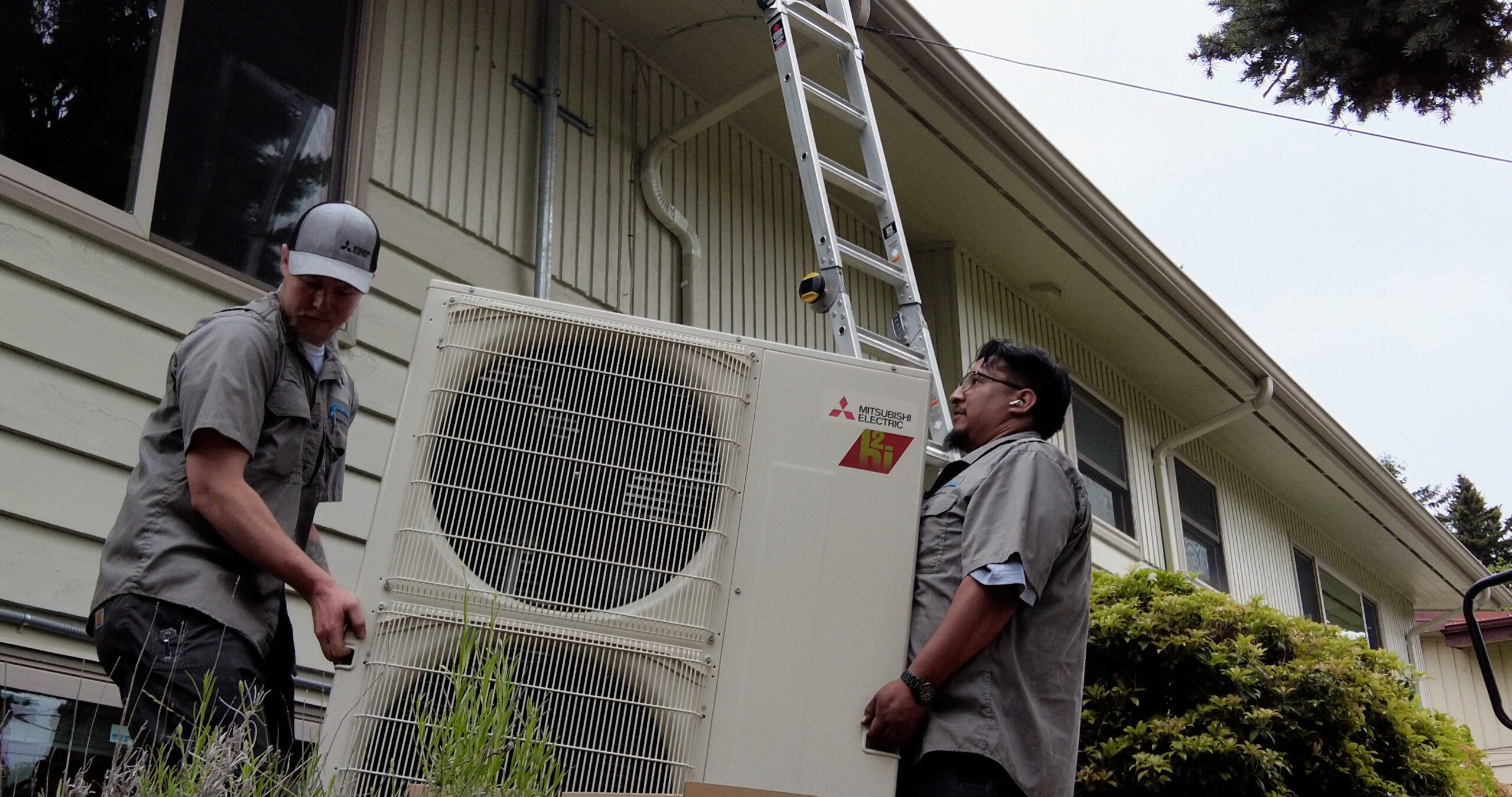
Community-based organizations serve their communities through food assistance, health services, language access, and skills training. The mission comes first. For most of these organizations, decarbonizing their building requires expertise, contractor relationships, and capital they simply don’t have. King County’s Energize – Community Spaces program addresses that directly with fully funded heat pump retrofits, weatherization, and technical assistance for non-government community buildings in King, Kitsap, Pierce, and Snohomish Counties, at no cost to the operator. Lattice Energy Works (formerly SBW Consulting), partnering with Ecotope, and Broadview Planning is providing the technical assistance to these organizations through the King County Energize program.
Why Community Spaces Need a Different Approach
The standard toolkit for building decarbonization, such as utility rebates and commercial financing, tends to reach building owners who already have dedicated facilities staff and access to capital. Community-based organizations (CBOs) often don’t fit that profile. A grange hall run by volunteers or a small food bank with a part-time coordinator shouldn’t need to become building science experts to access a publicly funded program.
Energize – Community Spaces targets organizations that serve communities with the greatest environmental and health burdens: those scoring 9 or higher on the Washington Environmental Health Disparities (EHD) Map (Figure 1) , designated as a Puget Sound Clean Air Agency overburdened community, or identified as a 2024 EPA low-income or disadvantaged community. These are also the organizations that fall through the cracks the most in utility and government efficiency programs. Standard rebate and incentive offerings, even well-designed ones, tend to provide marginal incentives that don’t move the needle for resource-constrained CBOs, and rarely include the outreach, engagement, and hands-on technical support needed to get from eligible to enrolled. The EPA’s investment in programs like Energize reflects a recognition that closing those gaps requires something fundamentally different: deeper community engagement, stronger technical assistance, and funding levels that make the retrofit actually happen. That makes the Energize Program a key equity element in King County Building Decarbonization efforts.
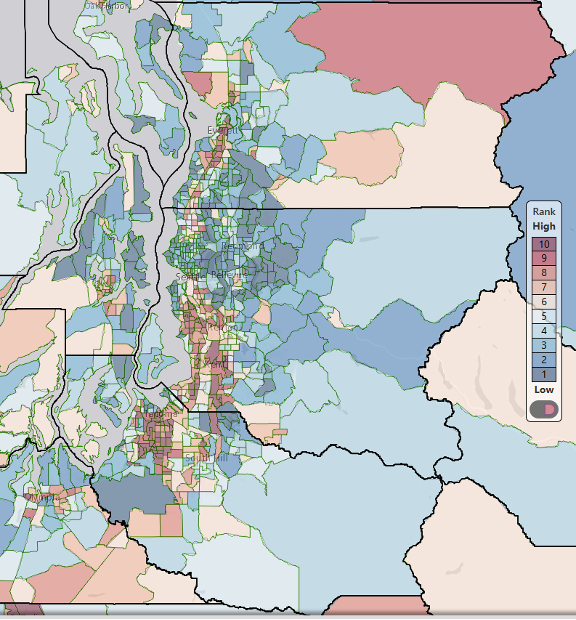
Figure 1. WA State Health Disparities Map for King, Snohomish, Pierce, and Kitsap Counties
The Decarbonization Case
Buildings account for roughly 40% of King County’s communitywide GHG emissions. The county and its 39 partner cities are committed to cutting emissions 50% below 2007 levels by 2030 and 95% by 2050. Replacing fossil fuel heating systems with electric heat pumps is the highest-priority buildings-sector strategy in King County’s 2025 Strategic Climate Action Plan (Figure 2). highlights the scale of the task for Washington state.
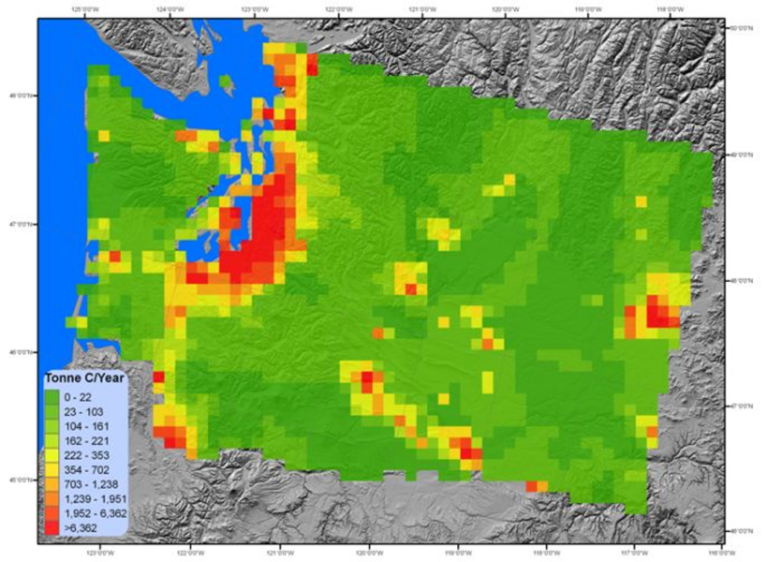
Figure 2. Washington State’s Annual Commercial Emissions
Beyond the carbon math, there are direct health benefits for building occupants. Heat pumps eliminate combustion byproducts inside the building, improving indoor air quality; which matters in spaces where children, elderly residents, and people with respiratory conditions spend time. They also provide cooling, which gas furnaces don’t. In a region where extreme heat events are becoming more frequent and more dangerous, that cooling capacity matters for the food banks, senior centers, and community halls that stay open when other options aren’t available.
What the Program Provides
King County manages contractor procurement, hiring, and payment; building operators don’t have to become project managers. Key features include:
- 100% cost coverage for equipment, labor, and materials for eligible buildings in or serving frontline communities, up to $100,000 per project.
- King County-managed contractor relationships — organizations don’t solicit bids or pay invoices.
- Pre-application support for organizations that need help confirming eligibility or pulling together basic building information.
- Services include heat pump installation for space heating and cooling, weatherization (insulation, air sealing, ventilation), and heat pump water heaters.
Eligible applicants are non-government entities that own, operate, or lease a building serving as a community gathering space or providing in-person community services — food banks, places of worship, community centers, skills training sites — in the four-county region. The program is budgeted at approximately $6 million for roughly 40 buildings between 2026 and 2029.
What Technical Assistance Actually Looks Like
Outreach and early engagement are not administrative tasks, they’re critical work. An eligible organization that never hears about the program, or hears about it but can’t parse the eligibility criteria, is an eligible organization that doesn’t get served. That’s why the Lattice Energy Technical Assistance team prioritizes accessible communication and pre-application support from the start.
The partnership structure reflects the range of expertise the program requires. Broadview Planning brings knowledge of how community organizations operate and what clear, useful communication looks like for audiences outside the typical energy efficiency world. Lattice Energy and Ecotope provide building science depth and Pacific Northwest-specific mechanical systems expertise which they provide during benchmarking in ENERGY STAR Portfolio Manager and performing ASHRAE Level 1 and 2 audits.
The technical assistance process works through five general steps shown in Figure 3:
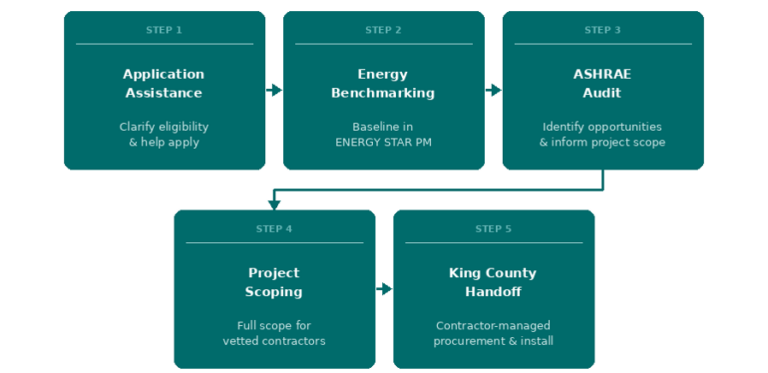
Figure 3. Energize Community Buildings TA Process
Why This Matters
This program is one concrete commitment of King County’s Strategic Climate Action Plan to frontline community investment. Direct-service decarbonization, built around equity-weighted targeting and genuine technical support, reaches buildings that standard rebate programs consistently miss. For the 2030 District community, this extends the decarbonization mission into the community-facing buildings that anchor neighborhoods across the region.
Other Decarbonization Programs
The Community Spaces application window closed April 27, 2026. The Multifamily Homes track is still actionable: applications are open until funding runs out, and the program prioritizes Naturally Occurring Affordable Housing (NOAH) buildings with fossil fuel systems in frontline communities. Building owners and housing providers in the four-county region should apply soon.
Seattle building owners should also be aware that the city’s Building Emissions Performance Standard (BEPS) requires buildings with floor area greater than 20,000 sq ft to report GHG emissions starting in 2027, with zero emissions targets in the 2040s. Washington State’s Clean Buildings program also has early adopter incentives and grants available to help lower overall building energy use. Lattice Energy helps building owners assess decarbonization readiness as part of its Building Performance Standards compliance service.
The Takeaway
Decarbonization is not only a technical challenge. Reaching the buildings and communities that most need investment requires programs designed around participant constraints: limited staff, limited capital, limited time. The Energize – Community Spaces program gets the design right: it removes the burden of project management from organizations that can’t carry it, embeds technical expertise in the program itself, and uses publicly available equity data to direct resources where the need is greatest.
About the Author

Santiago Rodríguez-Anderson is a Senior Energy Efficiency Engineer at Lattice Energy Works (formerly SBW Consulting) with 14 years experiences in energy efficiency research. At Lattice, he specializes in building performance standards, energy policy, and energy efficiency program impact evaluation. He is the project manager and technical lead for King County’s Energize Community Spaces Technical Assistance. Santiago has a BSME and MSME from Portland State University and is a Licensed Mechanical Engineer in Washington State. Lattice Energy Works is a member of the Seattle & Bellevue 2030 Districts.