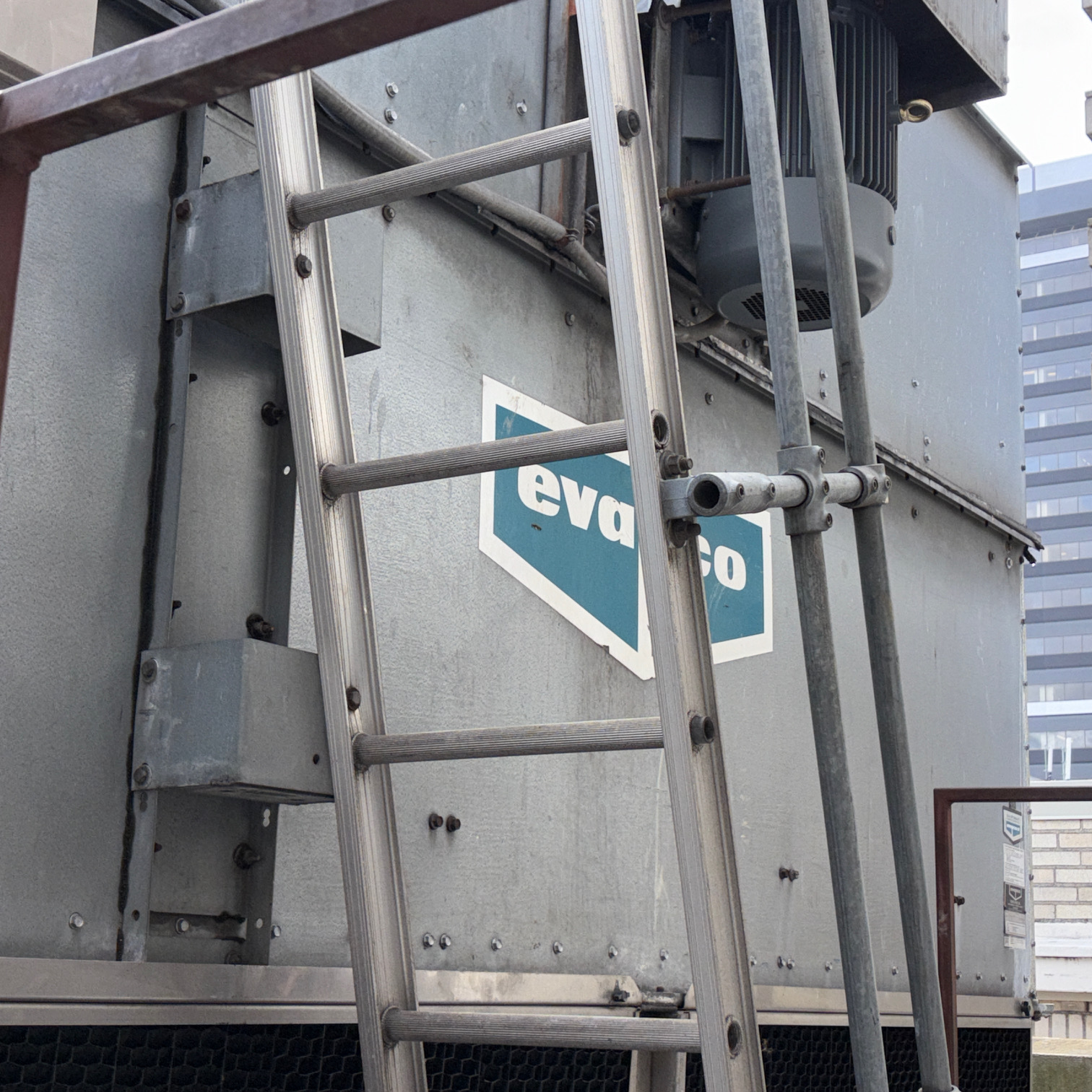
We all need water. Water is essential to the services and industries that businesses in our region provide, and it supports functional, healthy, and enjoyable spaces where people live and...
It has been twelve years since LEED v4 was introduced, and six years since v4.1 rolled out. On April 28th, 2025, LEED v5 was launched, which includes guides for Existing...
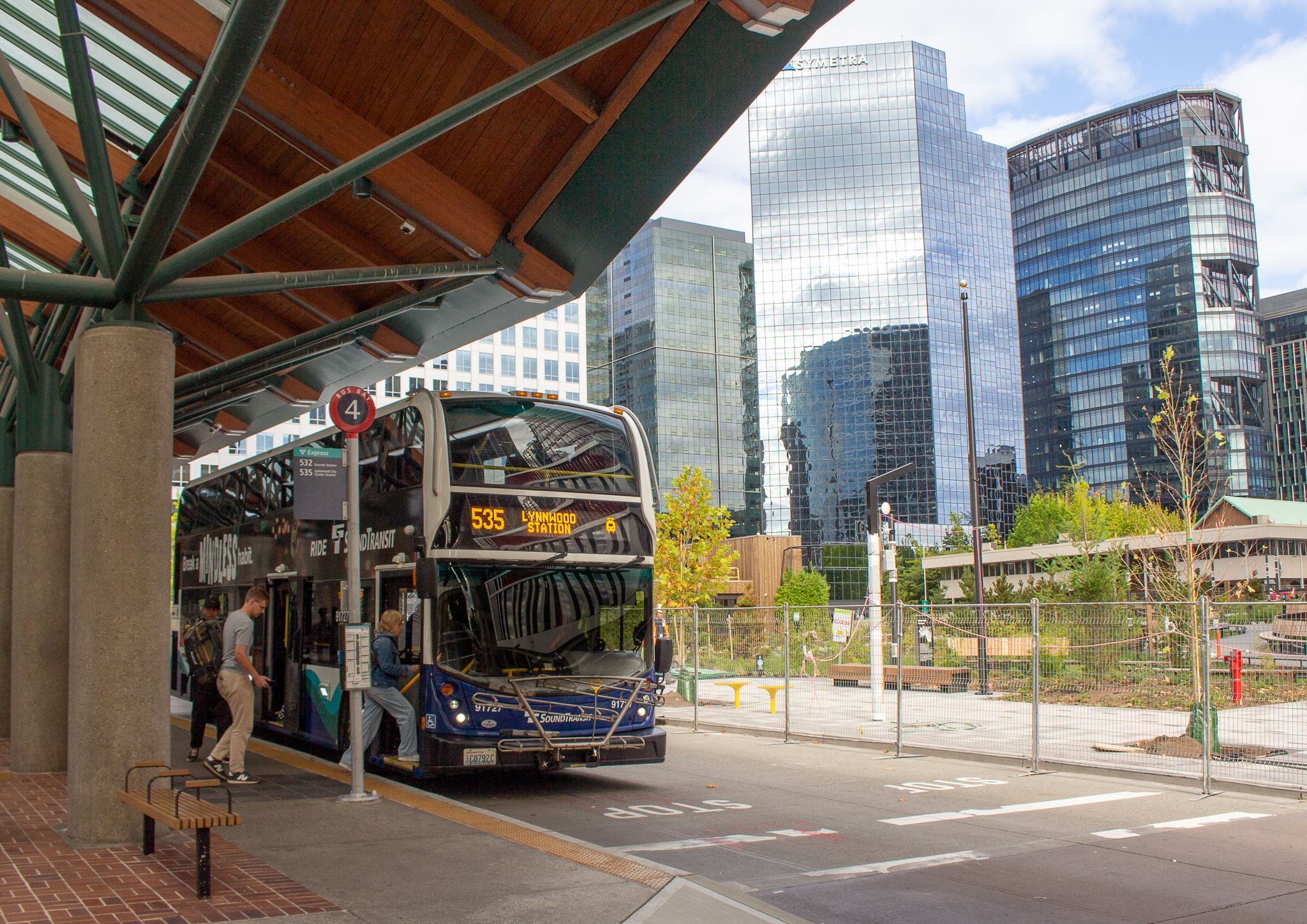
The 2 Line light rail first opened on the Eastside in April 2024, expanded to Downtown Redmond in May of this year, and expects to connect to Seattle in early...
Transportation is the single largest source of greenhouse gas emissions in Seattle, accounting for 62 percent of the city’s total climate pollution (City of Seattle; Seattle 2030 District). The built...
There are a lot of harmful substances to be aware of these days. Many even sound the same and are easy to confuse: PFAS, PBDEs, PVC… It may feel like...
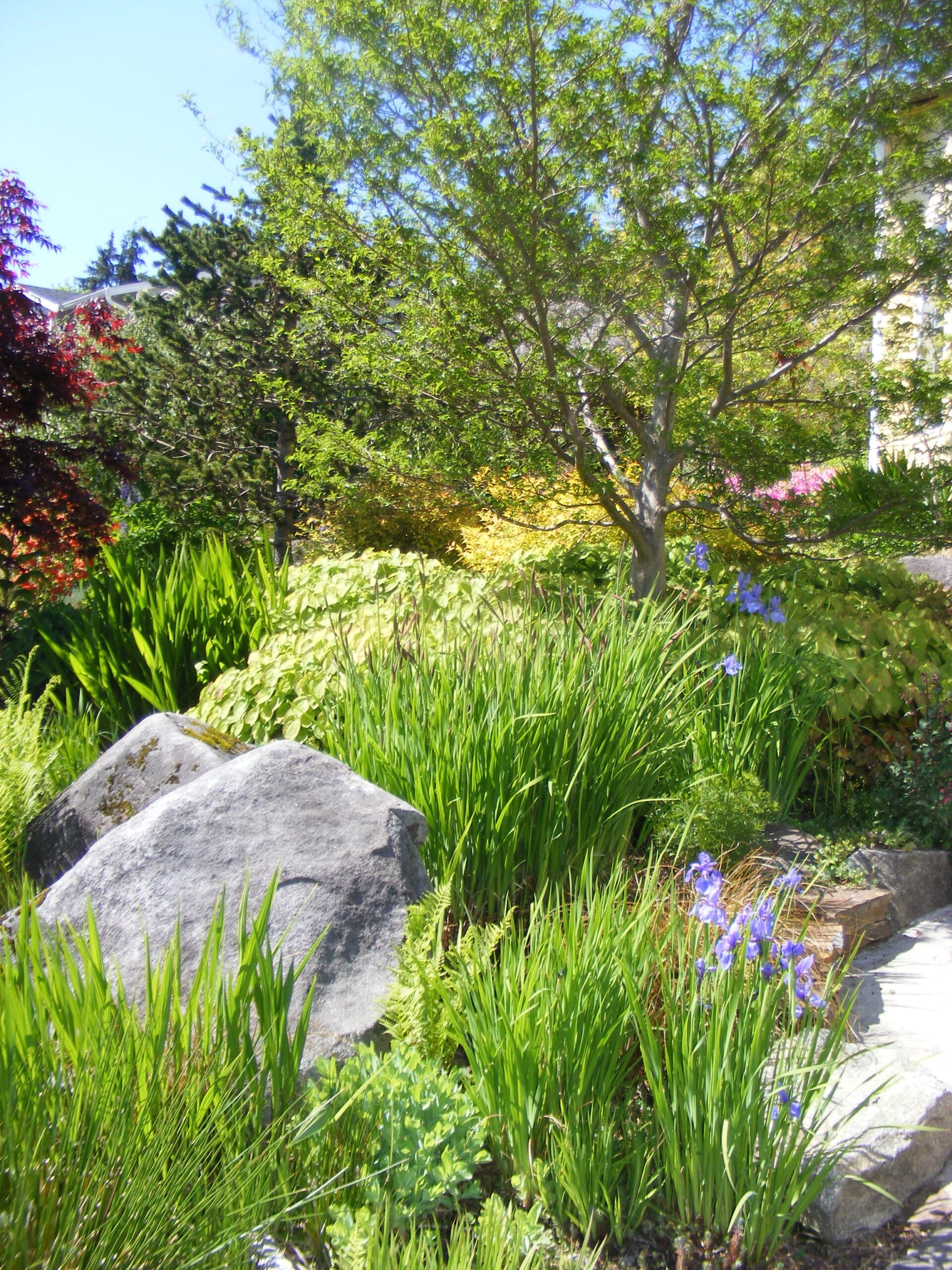
Incorporating sustainable landscaping into commercial properties is a powerful way to enhance environmental responsibility while improving aesthetics and reducing long-term costs. Sustainable landscaping emphasizes the use of ecologically sound practices...
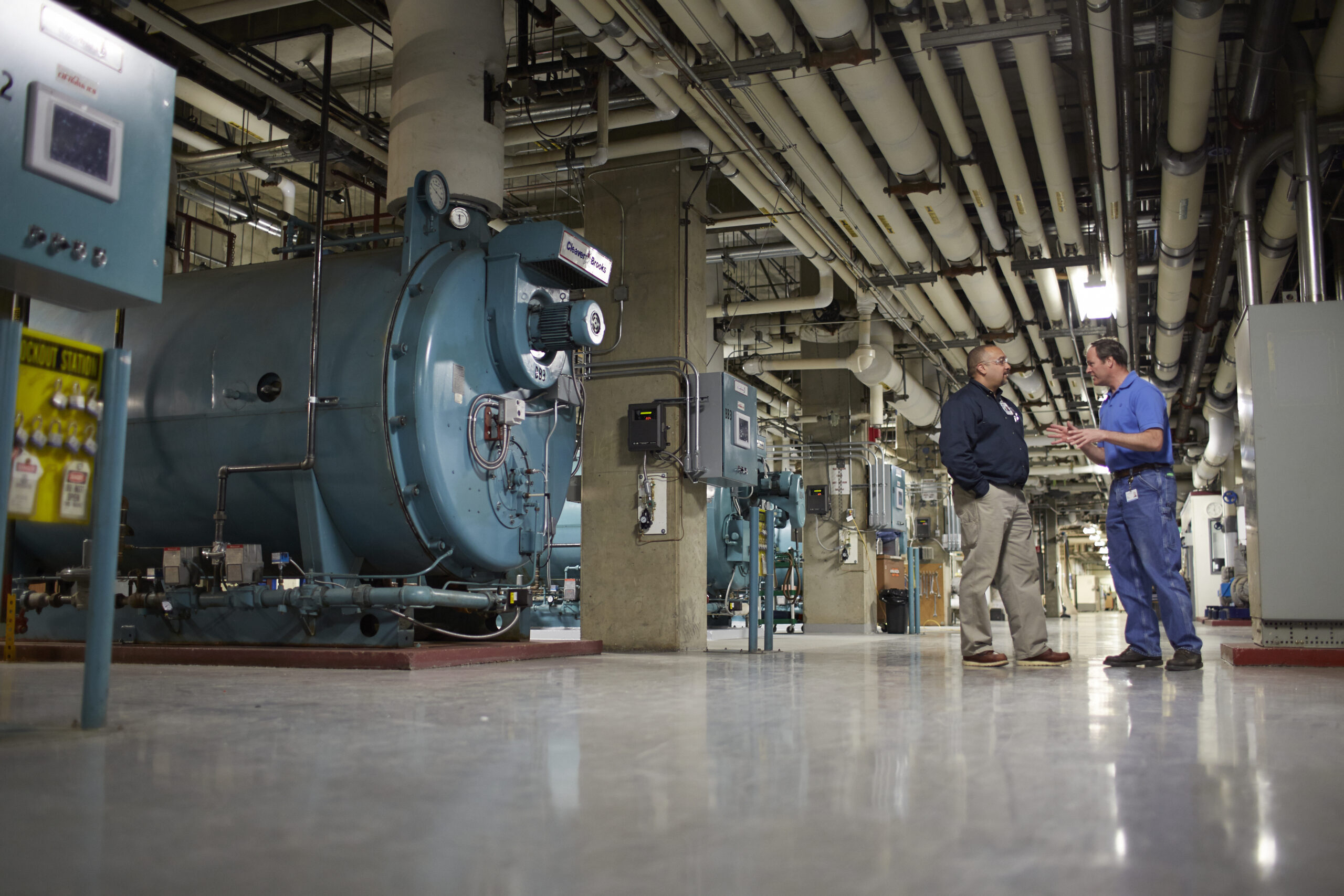
Cutting carbon from complex buildings, aligning shared heating and cooling assets across multiple buildings, and meeting compliance with stringent new codes, electrifying old systems – these are daunting challenges. But...
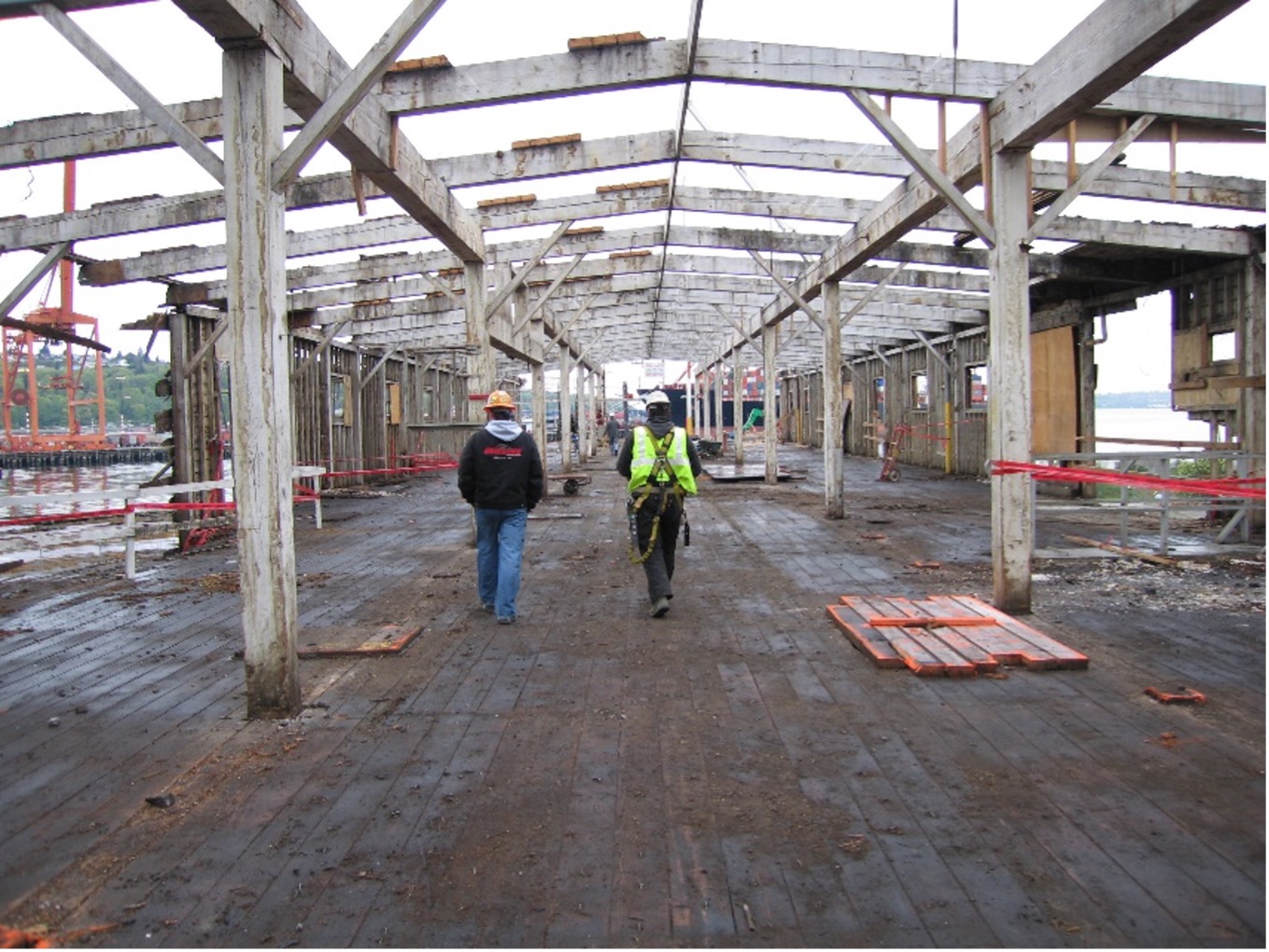
Each year, more than 350,000 tons of wood, mostly lumber and pallets, is ground into chips (often referred to as “hog fuel”) and burned as fuel in industrial boilers in...
The design, construction, and real estate industries are overlooking a golden opportunity to revolutionize sustainability by rethinking commercial interior architecture. While efforts have largely centered on new, ground-up construction, the...
The 2030 District’s Industry Insights Blog is a platform for our community to share expertise, experiences, and innovative ideas on advancing building sustainability.